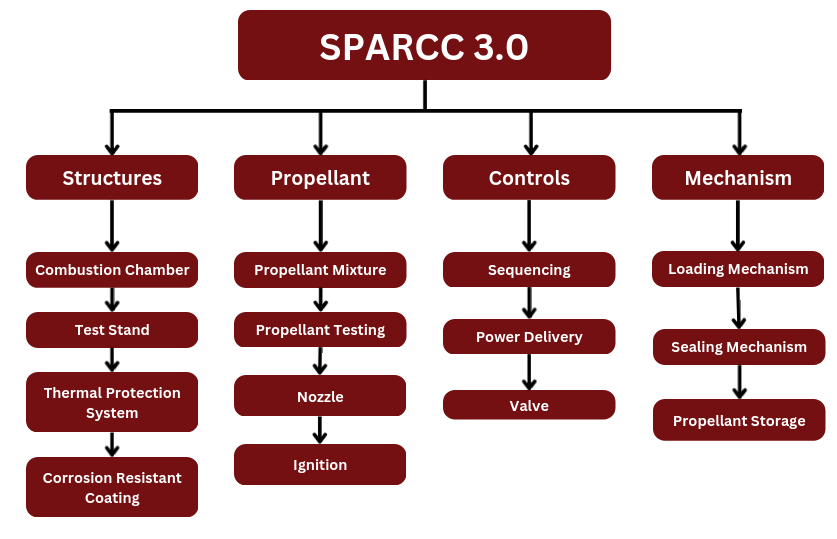
SPARCC 3.0 is an Aerospace Engineering Senior Design capstone project. This project consists of a team of seven senior Aerospace Engineering students to showcase the skills learned through school.
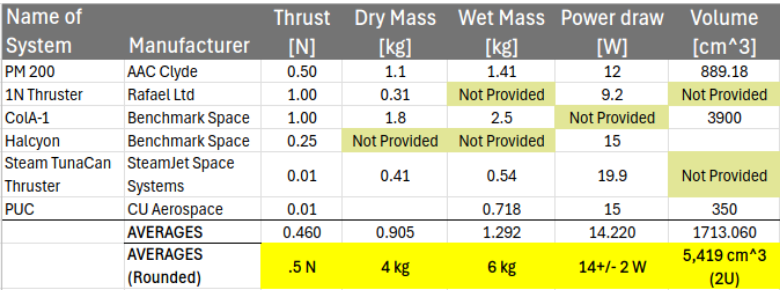
The aim of the project is to develop a solid propellant thruster for space use which fits inside a 2 U
(2 10x10x10 cm cubes) volume.
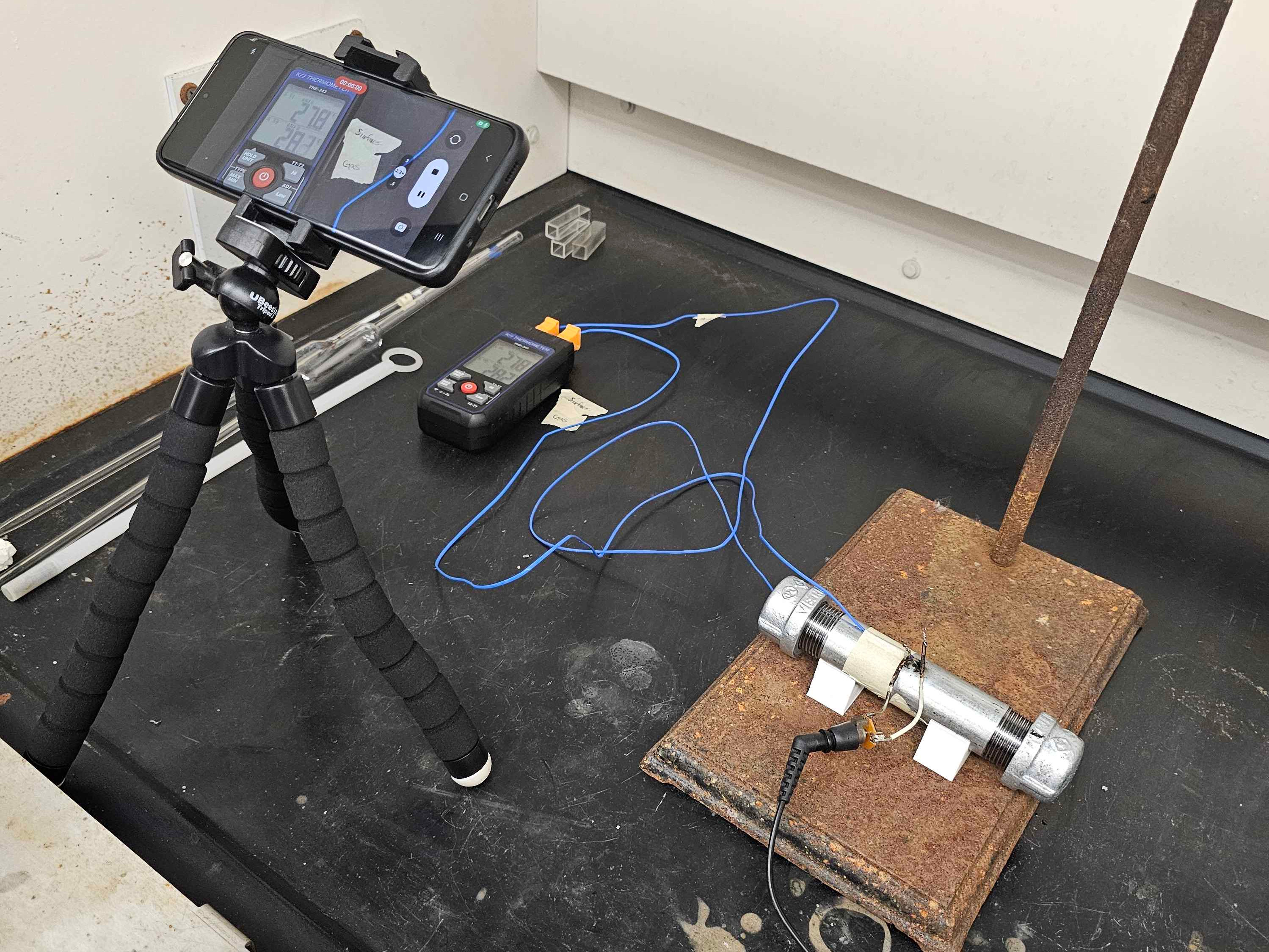
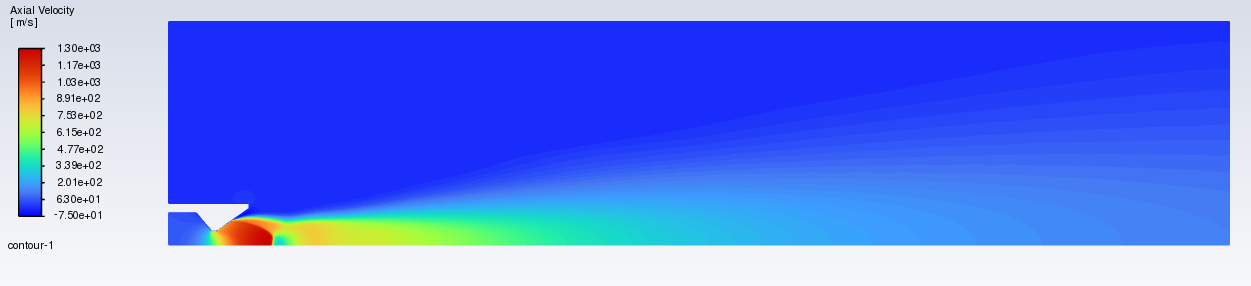
To achieve this, we performed extensive research and testing on solid propellants, nozzle designs, and combustion chamber materials. The project involved computational simulations, manufacturing, and experimental testing to validate the design. The results demonstrated the feasibility of using a compact solid propellant thruster for small satellite applications.
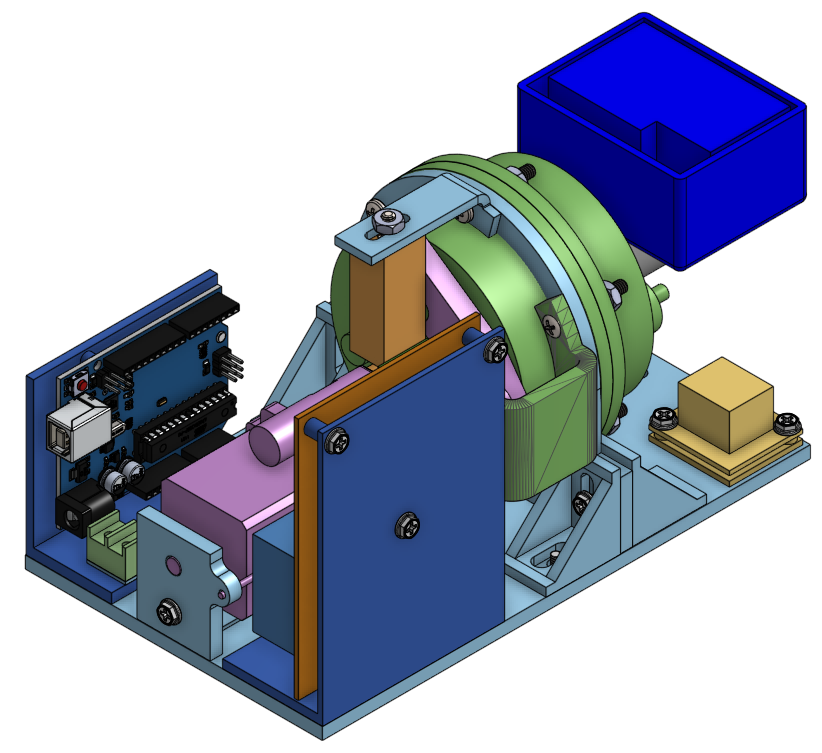
One of my core responsibilities was modeling each component as they were being designed, to ensure that all components fit together inside this volume, and that the system as a whole was able to be manufactured via iterative prototyping using 3D Printing and Water Jet Cutting.
The aim of the project is to develop a solid propellant thruster for space use which fits inside a 2 U
(2 10x10x10 cm cubes) volume.
To achieve this, we performed extensive research and testing on solid propellants, nozzle designs, and combustion chamber materials. The project involved computational simulations, manufacturing, and experimental testing to validate the design. The results demonstrated the feasibility of using a compact solid propellant thruster for small satellite applications.
One of my core responsibilities was modeling each component as they were being designed, to ensure that all components fit together inside this volume, and that the system as a whole was able to be manufactured via iterative prototyping using 3D Printing and Water Jet Cutting.